
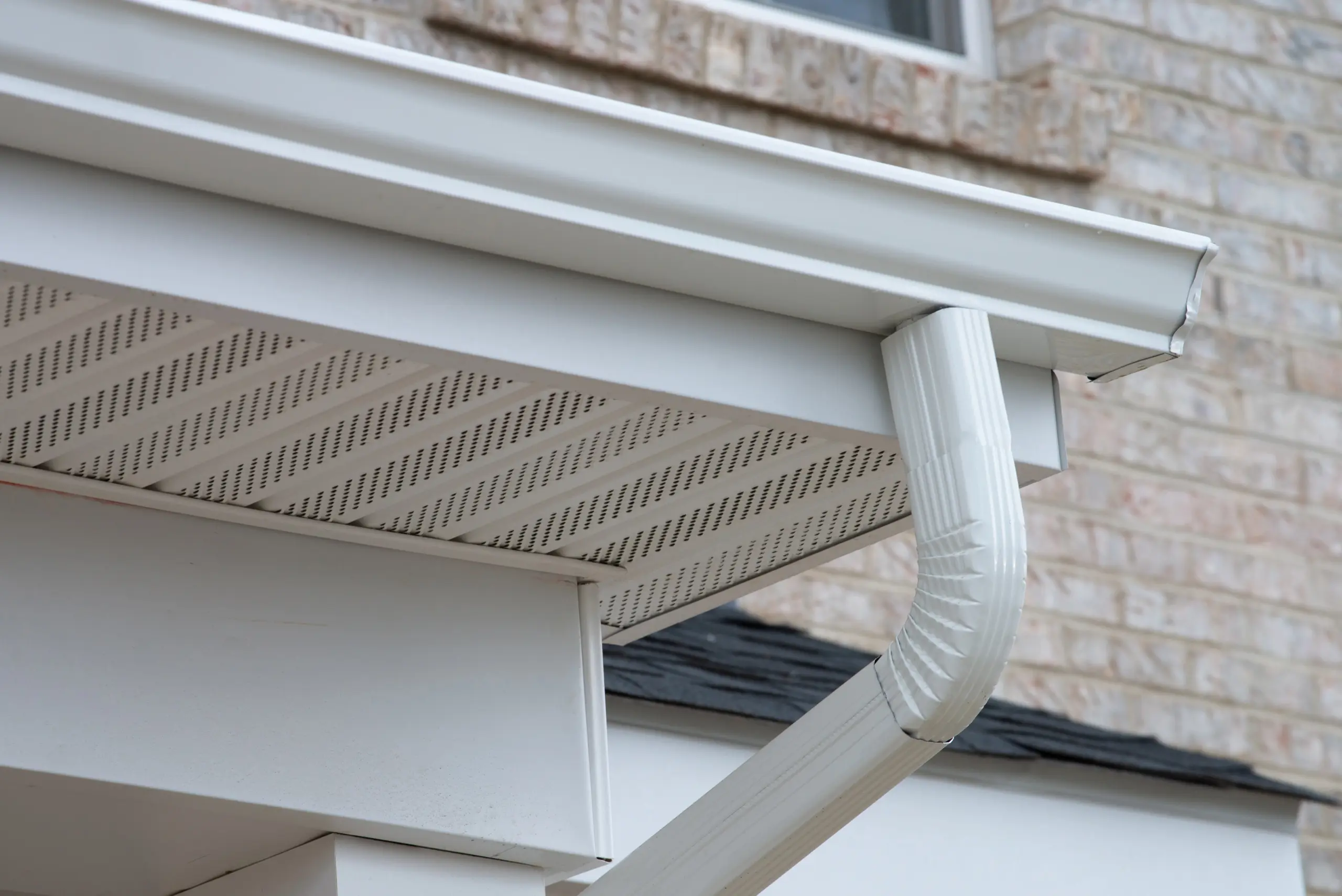
Winter weather can take a toll on your home’s exterior, particularly your gutters. Snow, ice, freezing temperatures, and repeated thawing can put significant stress on your gutter system. While troughs and downspouts are designed to direct rainwater away from your home, seasonal conditions can interfere with their ability to drain properly and may lead to costly damage.
Below, we’ll explain how seasonal weather can affect your gutters and what steps you should take before winter arrives to protect your home through the coldest months of the year.
Ice Buildup Can Weigh Down Gutters
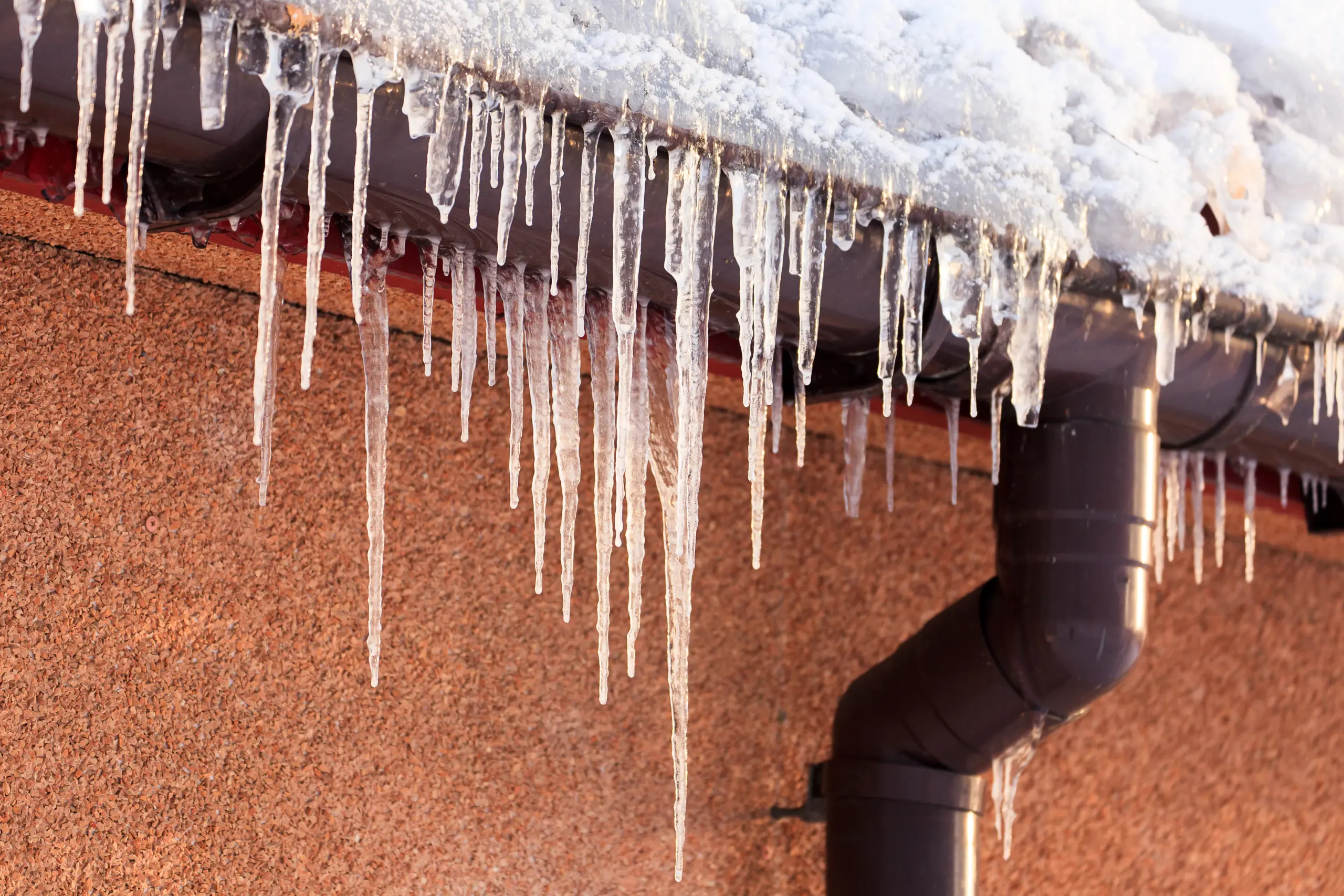
One of the biggest threats facing your gutters during the winter is the weight of accumulated ice. When water collects in gutters and freezes, it expands and adds extra weight to the system.
Most gutters are engineered to carry flowing water, not large amounts of ice. Extra weight can cause gutters to sag and pull away from the fascia or result in damage to the brackets and fasteners holding them in place. In severe cases, the gutter system may separate from the house entirely.
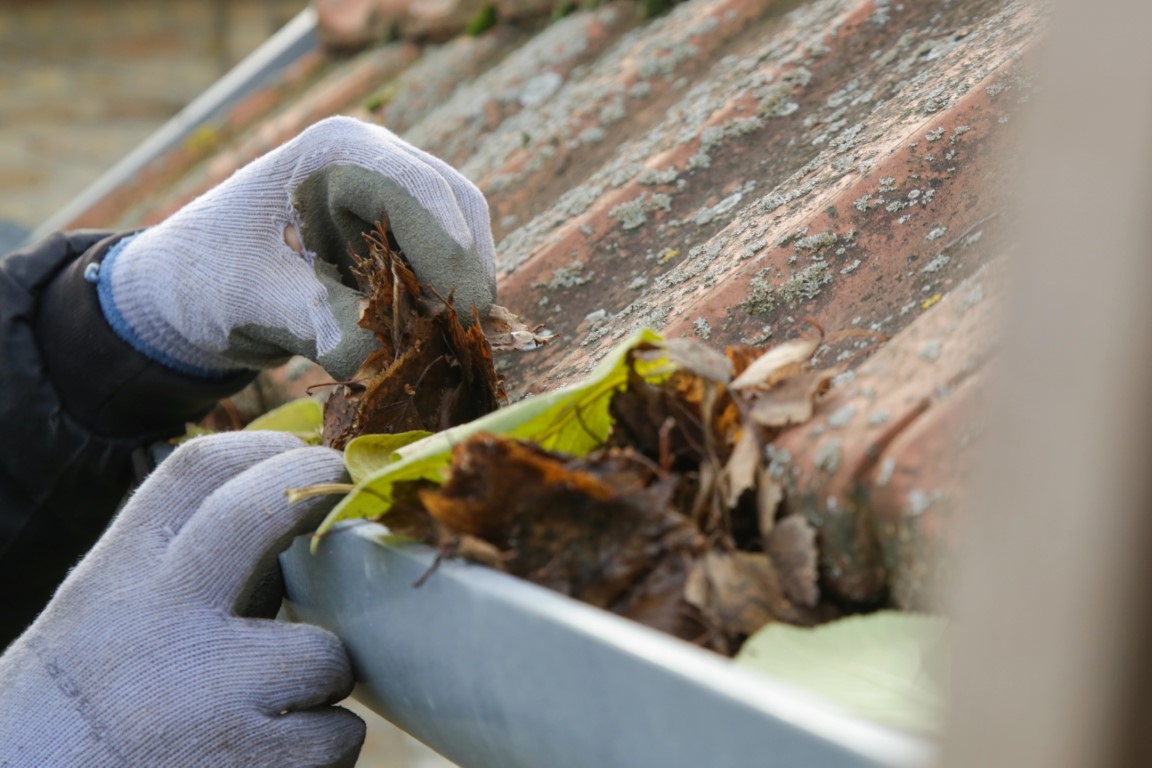
Keeping gutters clear of leaves and other debris before winter can help water drain more effectively and reduce the risk of standing water freezing inside the system.
Ice and Snow Can Cause Clogged Gutters
Even if you clean your gutters in the fall, you can still have drainage problems in the winter. Snow, ice, and other debris can work together to restrict water flow and prevent melting snow from draining through the downspouts.
When water can’t move freely, it can freeze inside the gutters and create large ice blockages. These blockages can prevent additional meltwater from draining, increasing the likelihood of overflow and further ice accumulation.
Regular gutter maintenance before winter helps reduce the amount of debris that can contribute to blockages. This includes making sure your downspouts are clear and can direct water away from your home’s foundation.
Ice Dams Can Develop Along the Roofline
During the winter, homeowners also need to worry about ice dams. These form when heat escapes through the roof, melting snow higher up. The water flows toward the colder roof edges, where it freezes and creates a ridge of ice.
When gutters contain frozen water or obstruct drainage, they can contribute to this ice buildup. However, ice dams are primarily associated with uneven roof temperatures, inadequate insulation, air leaks, or poor ventilation.
A well-maintained gutter system, along with proper attic insulation and ventilation, can reduce the risk of ice dams and protect your home from significant damage.
Frozen Gutters Can Lead to Water Damage
When gutters get blocked by ice, it can cause water to spill over the sides or collect near the roofline. This overflowing water can contribute to several problems, including foundation cracks, roofline deterioration, basement flooding, and roof and interior leaks.
Proper drainage is important year-round, but it becomes especially critical during winter weather, when frozen ground and repeated freeze-thaw cycles can make water management more difficult.
Freezing Temperatures Can Damage Gutter Materials
Repeated freezing and thawing can also affect the condition of your gutters. When water freezes inside seams, joints, and downspouts, it can cause materials to separate, leaks to develop, and other damage to occur over time.
After winter storms, watch for signs of damage, including loose brackets, separated seams, visible cracks, sagging sections, or downspouts pulling away. Addressing minor problems early can help prevent more extensive repairs when spring arrives.
How to Protect Your Gutters During Winter
While you may not be able to control winter weather, there are steps you can take to protect your gutters from ice and snow damage.
Remove debris from your gutters and downspouts, check your gutter system for structural issues, maintain your roof and attic, and direct water away from the foundation. Avoid removing ice yourself, as this can put you in danger and possible damage your roofing materials or gutters.
Installing gutter guards may help reduce leaf and debris accumulation, but they may not eliminate the risk of ice dams. Their performance during winter weather depends on the product, installation, roof condition, and local climate.
Protect Your Gutters Before Winter Weather Arrives
Ice and snow can put considerable stress on your gutter system, leading to blockages, excess weight, drainage issues, and potential water damage. Fortunately, routine maintenance and timely repairs can help reduce these risks and keep water moving away from your home.
If your gutters need cleaning, inspection, or repairs, contact a professional gutter service to help prepare your home for winter weather.