
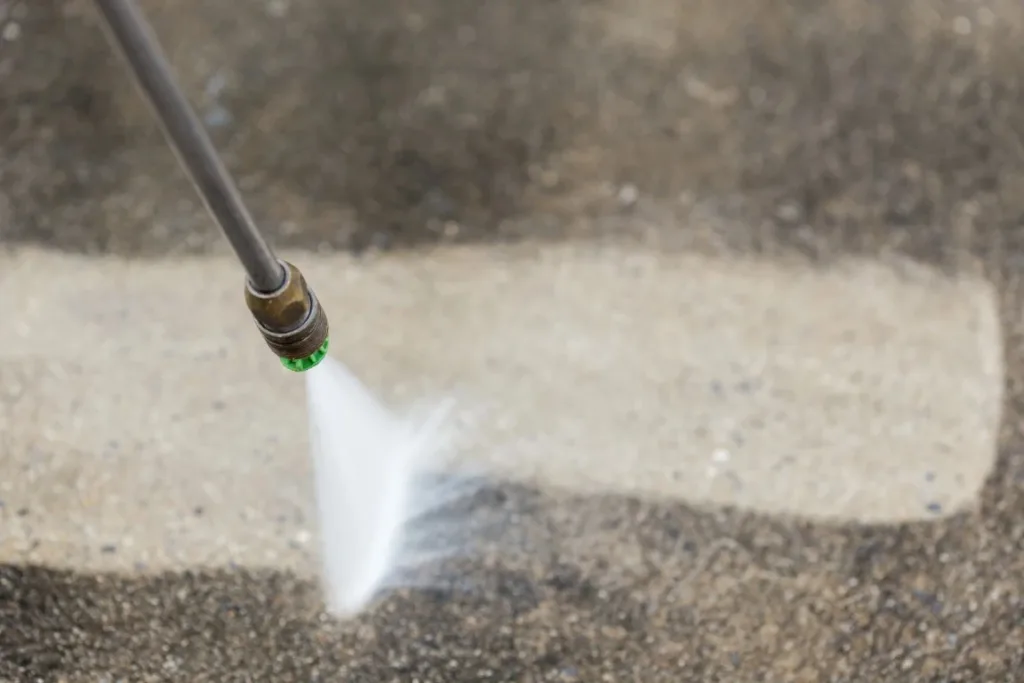
Pressure washing is one of the most effective ways to clean dirt, grime, mold, and mildew from exterior surfaces. However, while this powerful spray can make concrete look brand new, it’s not the right solution for every material. Using a pressure washer on the wrong surface can cause costly damage. Understanding what you can — and can’t — pressure wash will save you time, money, and headaches down the road.
Surfaces That Can Be Pressure Washed
Concrete Driveways and Sidewalks
Concrete is tough and durable, making it one of the best candidates for pressure washing. High-pressure water can lift oil stains, algae, dirt, and road salt buildup with ease. However, you should be mindful of the surface’s condition, as older or weaker concrete is more susceptible to damage from high pressure.
Brick and Stone
Brick patios, stone walkways, and retaining walls can be safely cleaned with pressure washing. Just make sure the mortar is in good condition before spraying, since high pressure can weaken already cracked joints. You should also avoid acidic cleaners or bleach, opting instead for a gentle detergent.
Vinyl Siding
Pressure washing works well on vinyl siding, especially when it’s covered in algae or mildew. Use a wider spray angle and keep the nozzle moving to prevent damage or water from getting behind the siding. Before beginning work, check for any existing cracks or broken pieces and repair them first.
Wood Decks and Fences (With Caution)
Wood can be pressure washed, but only at a lower pressure setting. Too much force can splinter the surface or strip away protective stains and sealants. Use a consistent, gentle motion to avoid etching the wood and go along the grain.
Metal Surfaces
Pressure washing can effectively remove rust, chalky buildup, and dirt from garage doors, metal fences, and some roofing materials. However, you should inspect the surface for any existing damage or sensitive coating before doing any cleaning.

Surfaces That Should NOT Be Pressure Washed
Asphalt Shingles
Never use a pressure washer on asphalt roofing. The high pressure can strip away the protective granules, leading to leaks and reduced lifespan. Instead, you should opt for soft-washing with a solution of bleach and water.
Windows and Glass
High-pressure water can crack or shatter glass, damage window seals, and force water into wall cavities. If you want to clean your windows, do it by hand or with specialized low-pressure equipment.
Painted Surfaces (Depending on Age and Condition)
Older paint can chip and peel under high pressure, resulting in uneven patches or leaving the underlying material vulnerable to the elements. Unless you’re prepping for repainting, you should use gentler cleaning methods.
Delicate Wood and Outdoor Furniture
Pressure washing can splinter, gouge, or damage softwood, wicker, and painted or sealed outdoor furniture. Additionally, a pressure washer may not be able to get into all the cracks and intricate areas. Hand washing or low-pressure cleaning is a better option.
Electronics and Outdoor Fixtures
Avoid spraying light fixtures, electrical boxes, and HVAC units. Water intrusion can cause malfunctions or safety hazards. You could easily give yourself a dangerous shock.
Soft Washing Vs. Pressure Washing
Soft Washing
Soft washing uses low pressure, often around 5000 PSI or less, comparable to a garden hose. It involves a mixture of soaps, detergents, and algecides to break down and remove stains. It works well for delicate surfaces, such as wood, shingles, and house siding.
Pressure Washing
Pressure washing utilizes high-pressure water, ranging from 1,500 to over 4,000 PSI, to remove dirt. It relies on this force to remove dirt rather than cleaning detergents. Pressure washing effectively removes deeply embedded dirt and stubborn stains from robust materials.
Tips for Safe Pressure Washing
To effectively use your pressure washer and keep yourself safe, you should:
- Start with the lowest pressure setting.
- Test a small, inconspicuous area before fully cleaning a surface.
- Use the correct nozzle for the job (wider angles are safer for siding and wood).
- Keep the spray moving to prevent etching or gouging.
- Wear closed-toe boots, long pants, and gloves to protect your skin.
- Consider hiring a professional for delicate surfaces or high areas.

Pressure Washing: Not For Every Surface
Pressure washing can restore the appearance of many exterior surfaces, but it’s not a one-size-fits-all solution. Use pressure washing to clean concrete, brick, stone, and vinyl, and soft-washing, or hand-washing, for roofing, windows, and delicate materials. By knowing what surfaces can and can’t handle the power of a pressure washer, you’ll protect your property and get better results.