

When allergy season arrives, you may focus on changing out your air filters, stocking up on medication, and getting back on top of cleaning routines. However, your windows play a major role in keeping allergens out. Pollen, dust, mold spores, and other airborne irritants often enter your home through windows, especially during the peak of spring and fall.
Preparing your home’s windows for allergy season can significantly improve indoor air quality and help reduce sneezing, itchy eyes, and congestion. Here’s how to get your windows allergy-ready.
Why Windows are Important During Allergy Season
Even when closed, windows can let in allergens due to small gaps, worn seals, and dirty screens. When open, they invite pollen and outdoor pollutants directly into your living space.
Common allergens that enter through windows include:
- Tree, grass, and weed pollen
- Dust and dirt particles
- Mold spores (particularly from soil, dead leaves, and decaying organic material)
- Tiny insects and insect debris
- Pet dander carried by the wind
- Air pollution and debris
Taking preventative steps now can help minimize allergen buildup inside your home.
How to Prepare Your Windows for Allergy Season
Step 1: Deep Clean Window Frames and Sills
Window sills and tracks collect dust, dirt, pollen, and debris over time. During allergy season, these surfaces can quickly become allergen hotspots. To avoid this, you should clean tracks and sills once in the fall and once in the spring.
How to clean effectively:
- Vacuum loose debris using the brush attachment
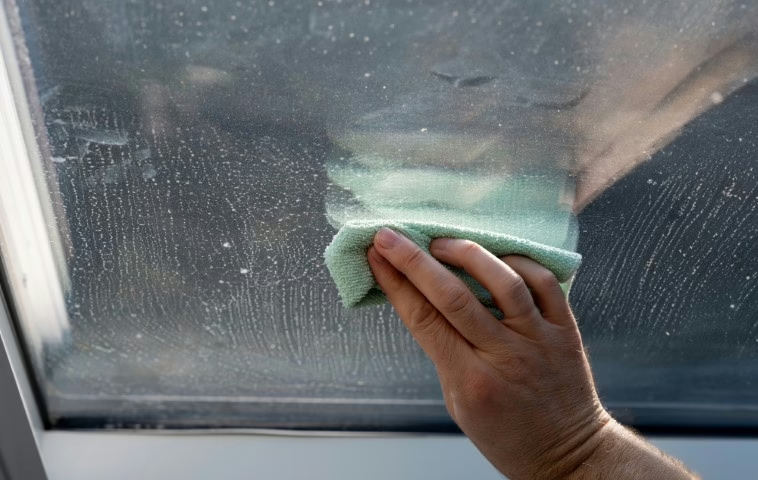
- Wipe down frames, tracks, and sills with a damp microfiber cloth
- Use mild soap and warm water for stubborn buildup
- Dry thoroughly to prevent mold growth
Avoid dry dusting as this can stir allergens back into the air.
Step 2: Wash or Replace Window Screens
Window screens are designed to let air in. However, they can trap pollen and dust. If not cleaned regularly, they can actually release allergens back into your home when windows are opened.
To maintain your window screens:
- Remove screens and rinse them with a garden hose
- Gently scrub with mild soap and a soft brush
- Allow screens to fully dry before reinstallation
- Inspect for tears or damage, and patch small holes with screen repair kits
- If the mesh is brittle, ripped in multiple places, or heavily damaged, consider replacement
- If you remove screens in the winter, store them in a clean, dry place out of the weather.
If you live in an allergy-prone household, consider installing high-efficiency or pollen-reducing screens designed to block smaller particles.

Step 3: Check and Seal Gaps
Worn weatherstripping and cracked caulking create entry points for allergens, even when windows are shut.
Inspect for:
- Cracked or peeling caulk
- Loose weatherstripping
- Drafts around window frames
- Visible gaps or warping
Sealing these gaps not only helps reduce allergens but also improves energy efficiency and lowers utility bills.
Step 4: Consider Upgrading to Energy-Efficient Windows
Older windows may let in more outside air than you realize. Modern energy-efficient windows provide:
- Tighter seals
- Improved insulation
- Better moisture control
- Less risk of mold and mildew growth
- Reduced drafts
Some window options even include coatings that help reduce dust and improve indoor comfort year-round.
Step 5: Be Strategic About Opening Windows
It’s important to let in fresh air, but timing matters when opening your windows during allergy season.
Best practices:
- Avoid opening windows during peak pollen times (typically early morning)
- Keep windows closed on windy, high-pollen days
- Use air conditioning with a clean HEPA filter when possible
- Check local pollen counts before airing out your home
Step 6: Manage Indoor Humidity
High humidity encourages mold growth around windows and frames. Aim to keep indoor humidity between 30 and 50%.
You can manage moisture by:
- Using a dehumidifier
- Running bathroom fans during and after showering
- Using kitchen exhaust fans when cooking
- Repairing leaks promptly
- Ensuring proper window insulation
Bonus Tip: Don’t Forget About Curtains and Blinds
Wash curtains and clean blinds regularly during allergy season, as they can trap dust and pollen over time. If allergies are severe, consider switching to easy-to-clean materials like faux wood blinds or roller shades.
Don’t Forget About Your Windows This Allergy Season
Allergy season doesn’t have to mean months of discomfort indoors. By properly cleaning, sealing, and maintaining your windows, you can significantly reduce the amount of allergens entering your living space and create a healthier, more comfortable home environment for you and your family.
If you’re unsure whether your windows are properly sealed or functioning efficiently, schedule an inspection with a professional. They can help identify areas for improvement before allergy season hits its peak.